Maui Invasive
Species Committee
Submit a suspected coqui report using MISC’s online form. For questions, contact its office.
Report online to MISC Contact details published by MISC ↗ WailukuCountry EstatesCOMMUNITY ASSOCIATION
MAUI · COMMUNITY FIELD GUIDE
Hear a coqui? Help keep it from spreading.
Recognize the call, report directly, and find practical resources for your property and our island.
Reports go directly to the Maui Invasive Species Committee.
01 / LISTEN & RECOGNIZE
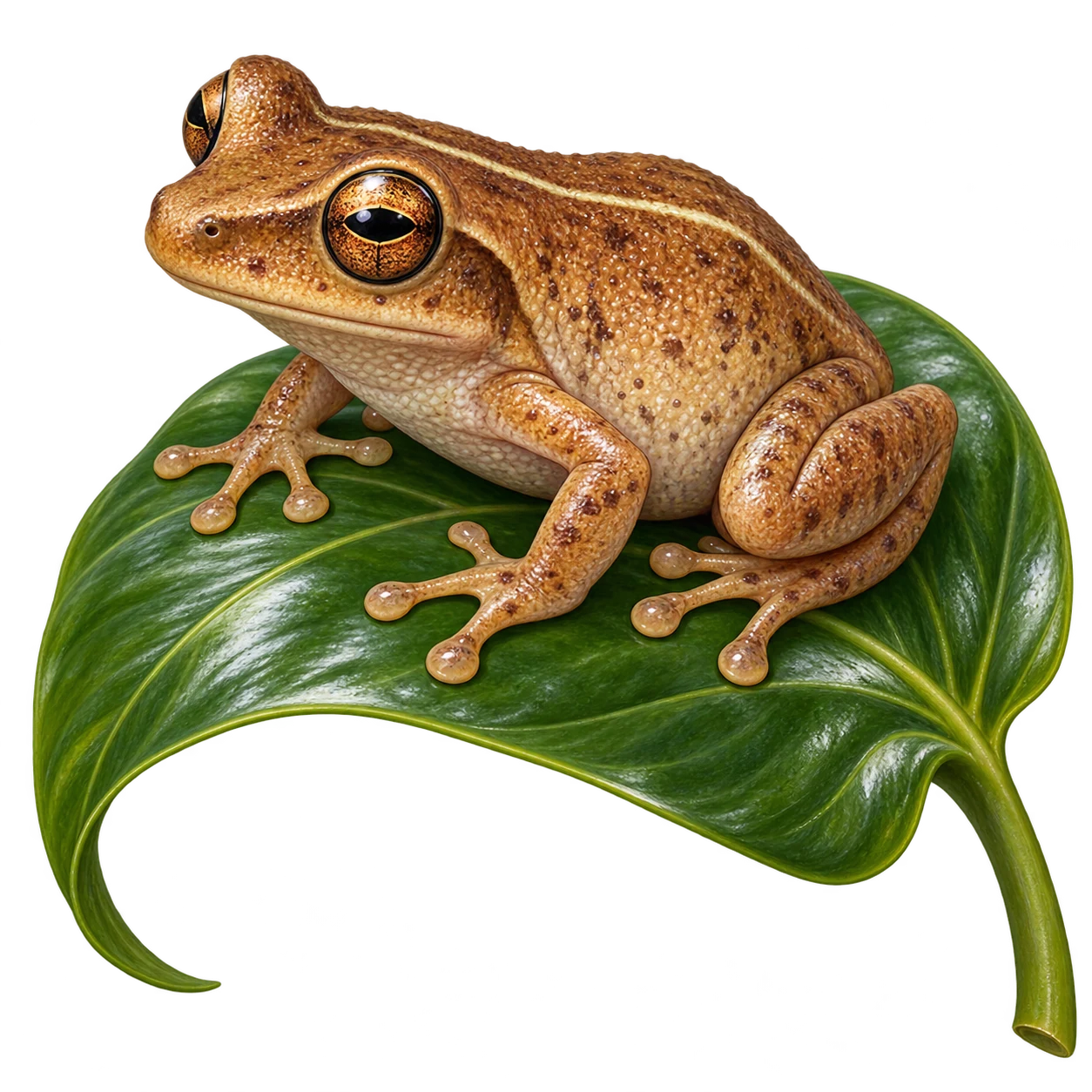
Coqui are small, mostly brown frogs. Males make a high, two-note “ko-kee” call at night. Their persistent calls and effects on native ecosystems make early reporting valuable on Maui.
Recording from MISC. Starts only when you press play.
Coqui or greenhouse frog? Compare photos (PDF)02 / REPORT DIRECTLY
Share what you heard or saw with the responding organization. Use your own contact details so staff can ask questions and follow up with you.
Submit a suspected coqui report using MISC’s online form. For questions, contact its office.
Report online to MISC Contact details published by MISC ↗The state also accepts suspected coqui reports through 643-PEST.
Open 643pest.org Hawaiʻi Invasive Species Council guidance ↗You can report a suspected call without first seeing or catching a frog. Describe any uncertainty.
MISC’s listening and observation tips ↗03 / CARE FOR YOUR PROPERTY
Start with MISC’s current advice. Regular attention to plants and green waste helps reduce places where frogs can hide.
Inspect new plants. If plants may contain frogs or eggs, keep them in place and ask MISC about treatment before moving them.
MISC treatment guidanceThin dense vegetation and remove accumulated dead leaves and plant debris. Handle green waste carefully so frogs and eggs do not travel with it.
Make your yard less frog-friendlyMISC offers treatment guidance, citric acid, and sprayer loans. Request supplies directly and wait for confirmation before pickup.
Request supplies from MISCAsk MISC how to handle potentially infested material before transport. Never dump it in gulches or vacant lots. Check Maui County’s green-waste disposal information ↗ for approved options.
Follow current product labels and MISC safety instructions. Get permission before entering or treating someone else’s property. Read MISC’s current community program guidance ↗
04 / READ & KEEP
Open the Big Island Invasive Species Committee’s “Controlling Coqui Frogs” brochure for an introduction to coqui, habitat management, and control.
Open homeowner brochureThis brochure is published for Hawaiʻi Island. Maui residents should use the MISC contacts above and MISC’s latest treatment and safety guidance.
View the coqui / greenhouse frog comparison (PDF)A FEW COMMON QUESTIONS
Yes. Describe the call as suspected coqui, note the location and time, and share a recording if possible. You do not need to identify or catch the frog yourself before contacting MISC.
MISC assesses reports and prioritizes its available resources. Reporting does not guarantee a visit or treatment. Its current program supports residents with advice, supplies, and equipment; residents coordinate their own treatment activities. See current assistance options ↗
Report what you can hear and the approximate location directly. Do not enter or treat another property without permission. Keep reports factual and share location details privately with the responding organization.
Please submit your coqui report directly to MISC or the state reporting system and remain the contact for follow-up. If you also have a concern involving association-maintained property, you may separately notify management of that property concern.
OUR ISLAND. OUR EVERYDAY ACTIONS.
Agency services and availability can change.
Sources: MISC · Hawaiʻi Invasive Species Council · BIISC · Maui County. Frog artwork is an AI-generated illustration; use linked reference photos for identification.